Streak Patterns in Back-to-Back Competitions Across Athletic Fields Shape Layered Betting Approaches
Written by Jordan Bennett · Nov 22, 2026
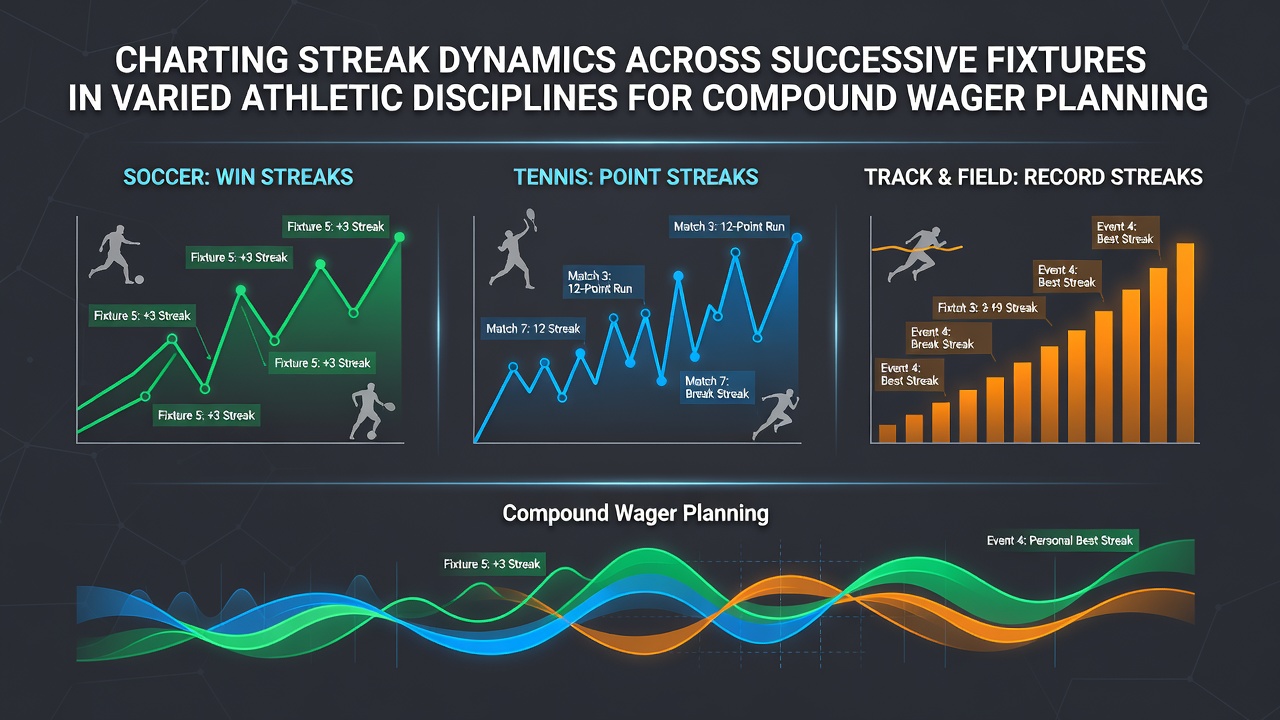
Streak Patterns in Back-to-Back Competitions Across Athletic Fields Shape Layered Betting Approaches
Performance sequences in football, basketball, tennis and horse racing reveal measurable patterns that analysts track when constructing multi-leg wagers, and observers note how consecutive results feed directly into probability models used by professional syndicates. Data from major leagues shows win streaks of three or more games occur in roughly 28 percent of fixtures during peak seasons, while extended losing runs appear in 19 percent of cases according to aggregated match logs compiled through 2025.
Football Win Runs and Their Carryover Effects
Teams that secure three straight victories in domestic leagues maintain elevated scoring rates in the following two matches at a rate 1.4 times higher than league averages, a trend documented across the Premier League, Bundesliga and Serie A datasets. Researchers at sports analytics firms compile these figures from official match reports, and the resulting metrics help shape accumulator selections that combine home favourites with slight overperformance edges. In November 2026 several European campaigns will feature compressed schedules due to international breaks, creating additional fixture clusters where recent form data becomes especially dense.
Basketball Scoring Streaks and Momentum Carry
NBA and EuroLeague squads posting consecutive high-output games above their season scoring average sustain elevated offensive efficiency for an average of 1.8 additional contests, figures drawn from play-by-play archives maintained by league statisticians. These sequences often align with favourable matchups against weaker defensive units, allowing bettors to layer points-based legs onto existing football selections. Observers tracking both sports simultaneously report that basketball back-to-back games scheduled within 48 hours produce the most pronounced variance spikes, a factor that influences stake sizing in compound wagers.
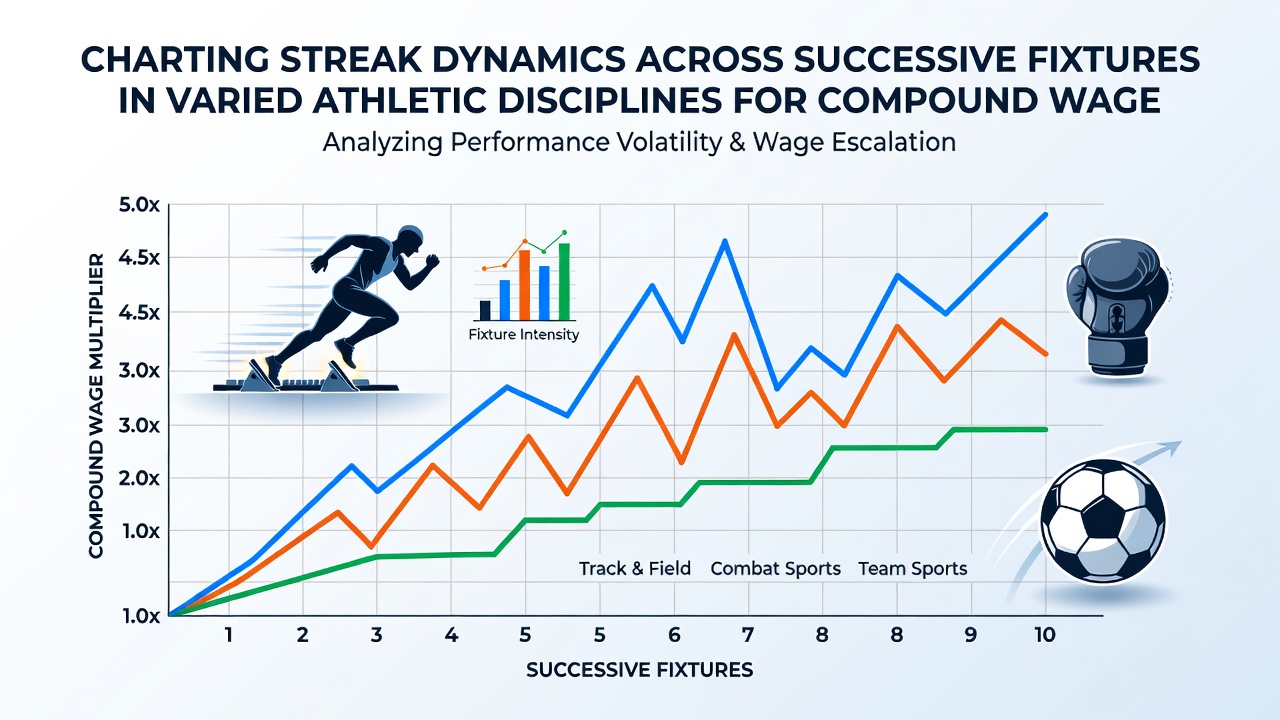
Tennis Serve and Hold Sequences
Grand Slam and ATP Tour matches display serve-hold streaks that persist across sets at rates documented in official tournament statistics, with top-20 players extending hold runs of four or more games in 67 percent of encounters on faster surfaces. These patterns integrate cleanly with football and basketball selections because tennis events run daily during certain calendar windows, supplying fresh data points that refresh accumulator models mid-week. Analysts cross-reference surface-specific hold percentages with recent opponent fatigue indicators to refine leg probabilities before finalising multi-sport tickets.
Horse Racing Form Lines and Consecutive Outings
Thoroughbreds returning within 14 days after a placing exhibit improved speed figures in 34 percent of subsequent starts, according to records maintained by racing authorities in Australia and Canada. Handicappers combine these short-term form lines with football team streaks when building weekend accumulators, noting that November 2026 meetings in both hemispheres will overlap with major European football matchdays and create natural data alignment opportunities. Track conditions and weight carried further modulate the reliability of these sequences, prompting quantitative filters that adjust odds expectations before wager placement.
Cross-Discipline Data Integration Methods
Professional syndicates aggregate streak metrics from disparate sports into unified probability matrices using custom software that weights recent performance against historical baselines. A study released by the Australian Gambling Research Centre examined multi-sport accumulator returns over three seasons and found that filters based on minimum streak length improved long-term yield by 4.2 percentage points compared with unfiltered selections. Similar methodologies appear in reports issued by Canadian provincial gaming commissions, which track operator data across regulated platforms. Bettors who apply these layered filters typically adjust stake distribution according to the number of qualifying streaks present in any given fixture window.
November 2026 Scheduling Overlaps
Calendars for November 2026 place several major tennis tournaments alongside domestic football rounds and NBA early-season slates, while Australian and North American racing festivals coincide with midweek European matches. These temporal clusters generate high volumes of consecutive performance data that feed directly into accumulator construction pipelines. Operators and syndicates use the resulting datasets to recalibrate models in real time, ensuring that streak thresholds remain aligned with current form rather than static historical averages.
Conclusion
Streak dynamics across successive fixtures supply quantifiable inputs that inform compound wager planning in multiple athletic disciplines, and ongoing data collection from league archives continues to refine the precision of these models through late 2026 and beyond. Analysts maintain that consistent application of streak-length filters across sports remains the core mechanism for constructing layered selections that reflect measurable performance trends.